Heat Pump vs Furnace: Which Is Better for Illinois Homes? (2026 Guide)
Discover Which System Delivers the Best Balance of Comfort, Efficiency, and Reliability
If you're considering replacing your home's heating system, you've probably come across two options: a heat pump and a furnace.
For decades, furnaces were the standard choice throughout Illinois. However, advances in cold-climate heat pump technology have changed the conversation dramatically. Today's heat pumps are more efficient, more capable, and better suited for Midwest winters than ever before.
So which system is better?
The answer depends on your home, your goals, your budget, and how you value comfort, efficiency, and reliability.
At Affordable American Air, we install furnaces, heat pumps, and dual fuel systems throughout DuPage County. While there is no one-size-fits-all answer, there are some clear advantages and disadvantages to each approach.
Let's break it down.
Heat Pump vs Furnace: The Quick Answer
If you're looking for the short version:
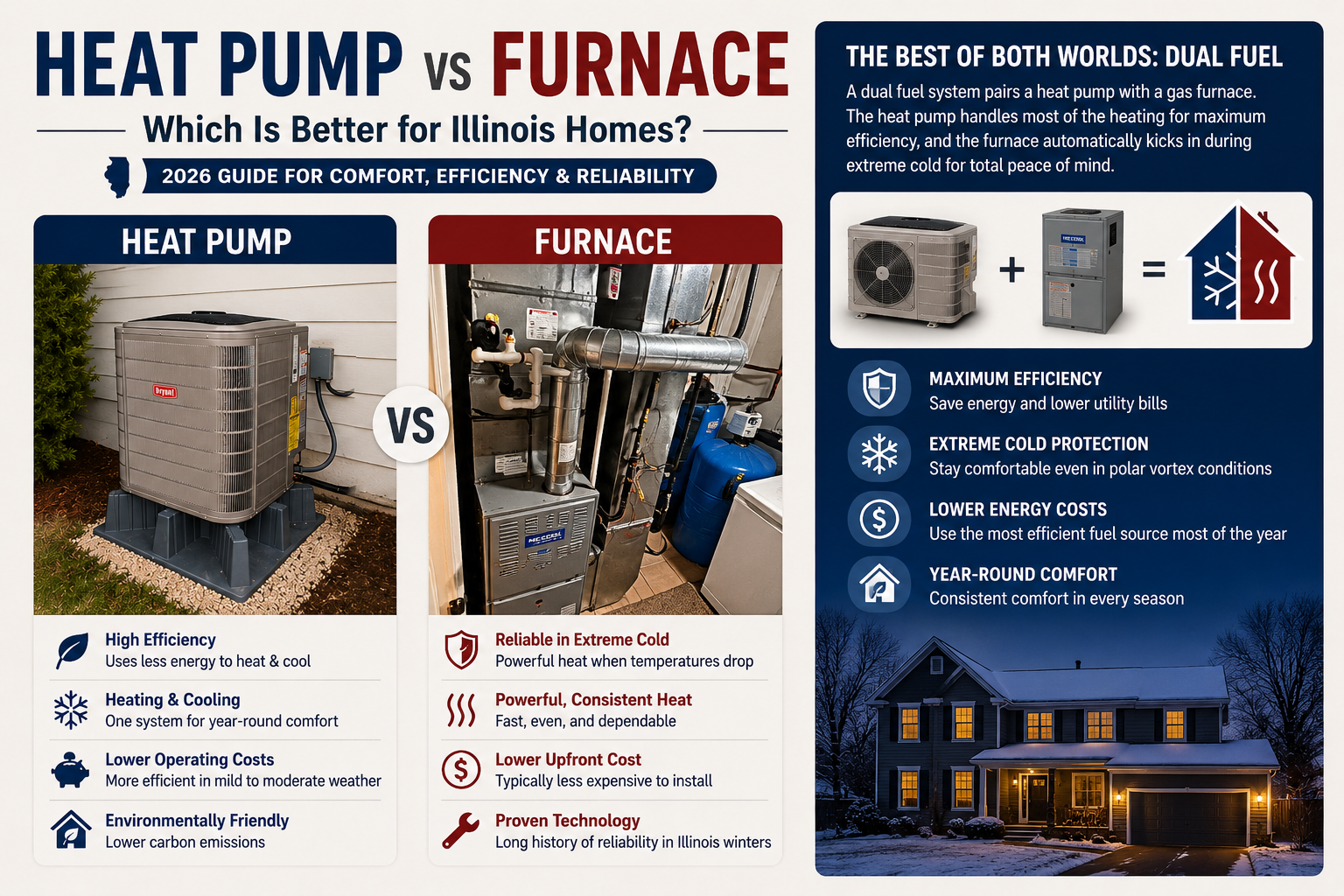
- Furnaces remain one of the most reliable heating solutions for Illinois winters.
- Modern cold-climate heat pumps absolutely work in Illinois.
- Heat pumps are typically more energy efficient during mild and moderate winter weather.
- Furnaces excel during extended periods of extreme cold.
- For many Illinois homeowners, a dual fuel system offers the best balance of comfort, efficiency, and reliability.
The best system depends on your specific home and goals.
How Does a Furnace Work?
A gas furnace creates heat by burning natural gas inside a heat exchanger. A blower then distributes that heated air throughout your home's ductwork.
Most Illinois homeowners are already familiar with this technology because it has been the standard heating solution for decades.
Advantages of Furnaces
- Excellent cold-weather performance
- Fast temperature recovery
- Hot supply air temperatures
- Proven technology
- Lower upfront cost in many situations
- Works extremely well during sub-zero temperatures
Potential Drawbacks
- Requires a separate air conditioner for cooling
- Uses fossil fuels exclusively
- Cannot achieve the efficiency levels of modern heat pumps during milder weather
For homeowners who prioritize dependable heating above all else, furnaces remain an excellent choice.
How Does a Heat Pump Work?
Unlike a furnace, a heat pump does not create heat.
Instead, it moves heat from one place to another.
During winter, it extracts heat from the outdoor air and transfers it into your home. During summer, it reverses the process and removes heat from your home just like an air conditioner.This means a single system can provide both heating and cooling.
New to Heat Pumps? Start Here
If you're still learning about heat pumps, we recommend reading our complete guide:
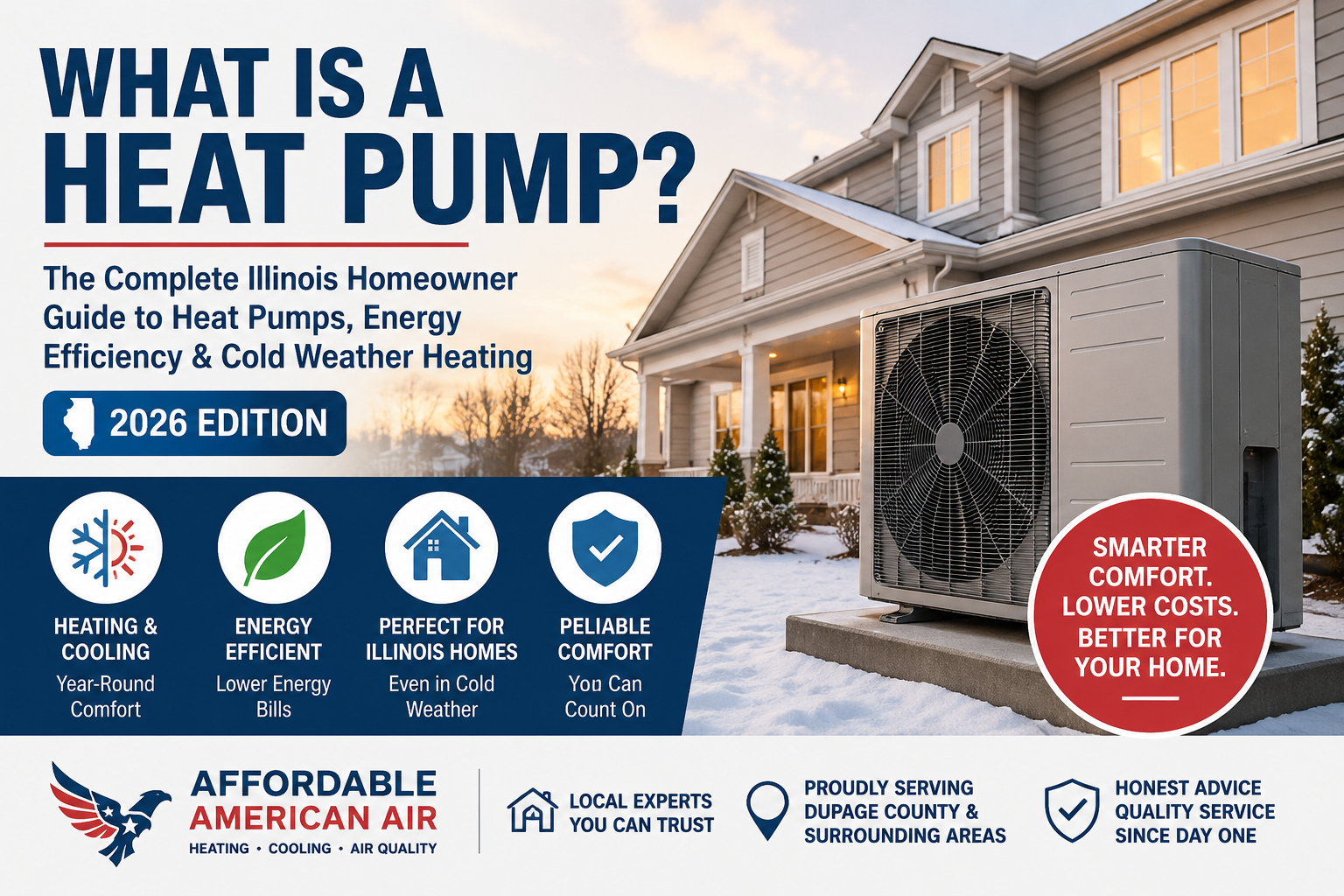
What Is a Heat Pump?
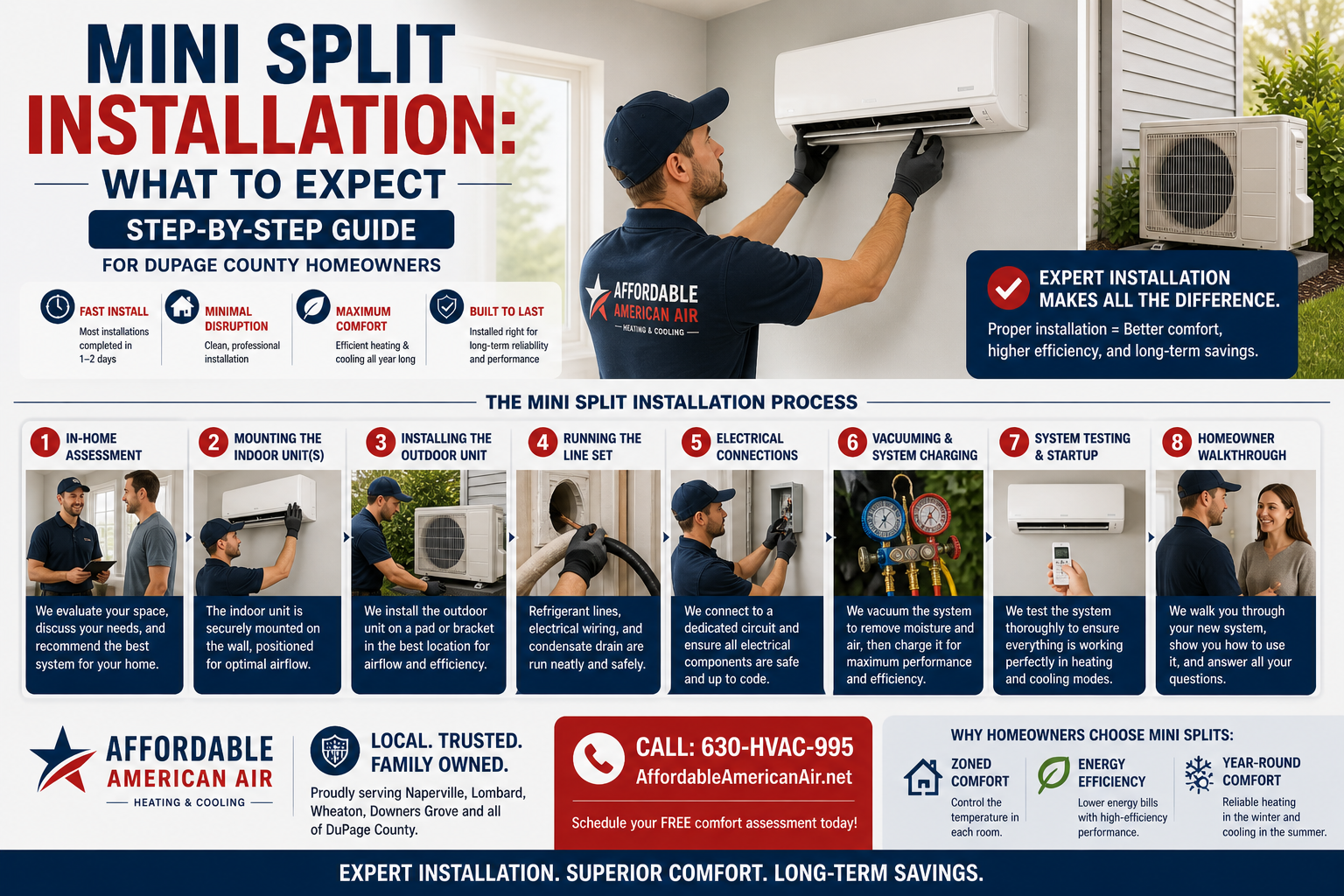
In that article, we break down exactly how heat pumps work, why they're so efficient, how they compare to traditional heating systems, and what Illinois homeowners should know about cold-weather performance. We also explain why most mini splits are actually heat pumps and how modern cold-climate technology has changed what's possible in Midwest winters.
Whether you're considering a heat pump, furnace, or dual fuel system, understanding the basics of heat pump technology is the first step toward making an informed decision for your home.
Advantages of Heat Pumps
- Heating and cooling from one system
- Exceptional energy efficiency
- Lower energy consumption during many winter conditions
- Potential utility rebates and incentives
- Reduced carbon footprint
- Consistent indoor comfort
Potential Drawbacks
- Higher upfront investment in some situations
- Capacity gradually decreases as outdoor temperatures become extremely cold
- May benefit from backup heat during severe weather
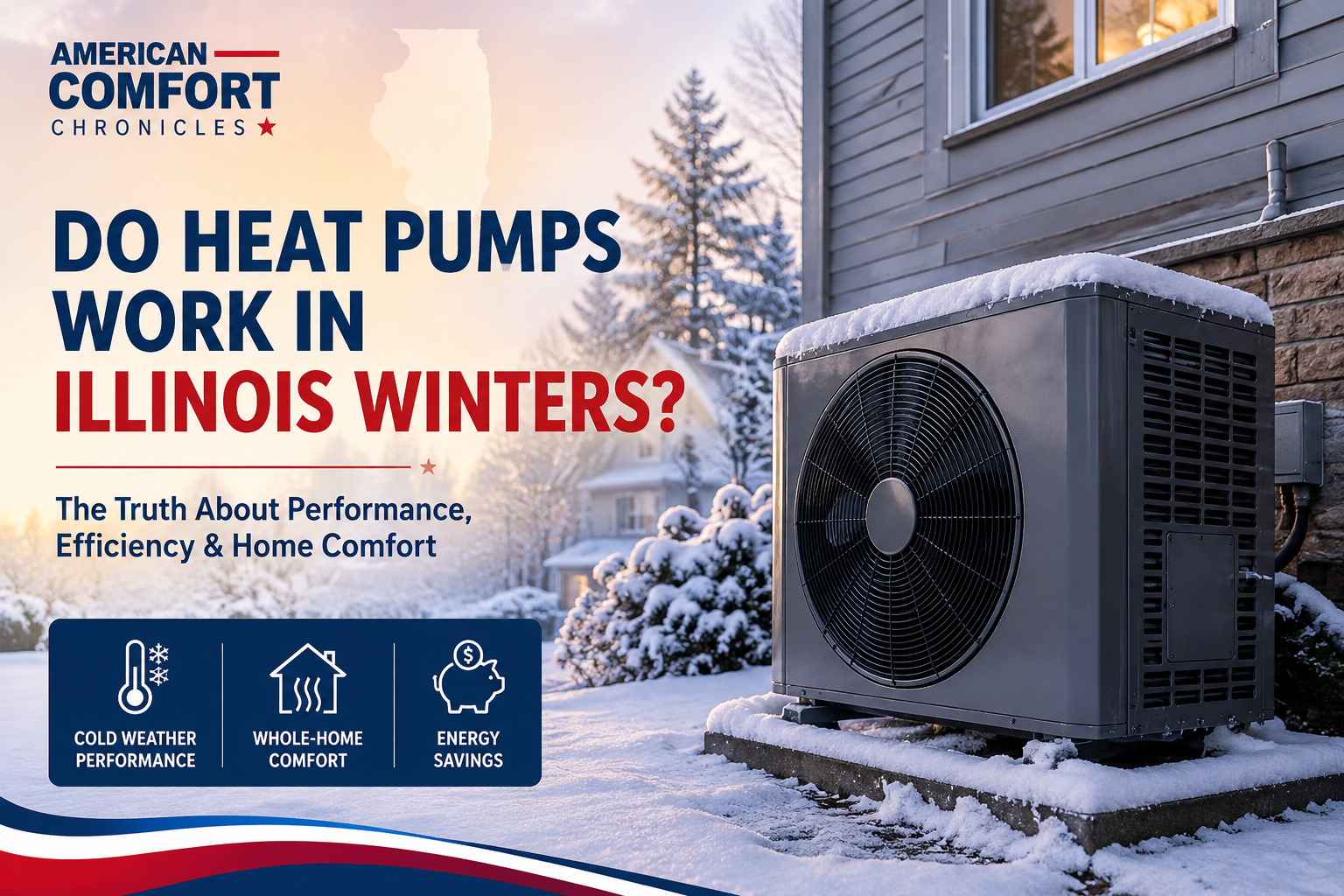
Do Heat Pumps Really Work in Illinois Winters?
Yes.
Modern cold-climate heat pumps absolutely work in Illinois winters.
In fact, today's premium systems are capable of producing heat well below 0°F.
Many cold-climate models can continue operating effectively at:
- 5°F
- 0°F
- -5°F
- -13°F
- Some even lower
This is a significant improvement compared to older generations of heat pumps.
The misconception that heat pumps don't work in Illinois generally comes from outdated technology or improperly designed systems.
What Happens During Extreme Cold?
This is where the conversation becomes more nuanced.
As outdoor temperatures drop, every heat pump gradually loses heating capacity while your home's heating demand increases.
That doesn't mean the system stops working.
It simply means the heat pump must work harder to maintain indoor temperatures.
For most winter days in Illinois, this isn't a problem.
However, Illinois occasionally experiences extreme weather events such as polar vortices where temperatures remain below zero for extended periods.
During those conditions, supplemental heat becomes extremely valuable.
Can a Heat Pump Heat an Illinois Home Without a Furnace?
Yes.
We have homeowners throughout Illinois successfully using heat-pump-only systems.
Modern cold-climate equipment is capable of heating homes even during very cold weather.
However, at Affordable American Air, we generally prefer incorporating some form of backup heat into the system design.
This is not because the heat pump doesn't work.
It's because Illinois weather can occasionally produce extreme conditions that push any heating system to its limits.
Most winters are not the concern.
The concern is the once-every-few-years polar vortex where temperatures stay exceptionally low for multiple days.
For that reason, we often recommend either:
- Electric resistance backup heat
- A gas furnace
Having backup heat provides an additional layer of comfort, reliability, and peace of mind during the coldest weather Illinois can deliver.
For many homeowners, a properly designed heat-pump-only system can work very well. However, when maximum comfort and all-weather reliability are the goal, we generally like having backup heat available.
Energy Efficiency Comparison
This is where heat pumps shine.
Because heat pumps transfer heat instead of creating it, they can achieve efficiencies that traditional furnaces simply cannot match.
Many heat pumps operate between 200% and 400% efficiency.
In other words, they can move two to four units of heat for every unit of electricity consumed.
By comparison:
- 80% AFUE Furnace = 80% efficient
- 96% AFUE Furnace = 96% efficient
Even the most efficient furnace cannot exceed 100% because it creates heat rather than transferring it.
Winner: Heat Pump
For pure energy efficiency, the heat pump wins.
Operating Cost Comparison
Operating costs are influenced by:
- Natural gas prices
- Electricity prices
- Home insulation levels
- Equipment efficiency
- Outdoor temperatures
During mild and moderate winter weather, heat pumps are often less expensive to operate.
As temperatures become extremely cold, natural gas furnaces can become more economical depending on local utility rates.
This is one reason dual fuel systems have become increasingly popular.
They allow homeowners to utilize whichever heat source makes the most sense under current conditions.
Winner: Depends on Utility Rates
Comfort Comparison
Comfort means different things to different homeowners.
Furnace Comfort
Furnaces generally produce hotter supply air temperatures.
Many homeowners like the feeling of warm air coming from the vents.
Furnaces also recover temperature quickly after setbacks.
Heat Pump Comfort
Heat pumps typically run longer and maintain more consistent temperatures.
Instead of dramatic temperature swings, homeowners often experience steadier comfort throughout the home.
Winner: Personal Preference
Both systems can provide excellent comfort when properly designed.
Installation Cost Comparison
Generally speaking:
Furnace Installation
May cost less when:
- Existing gas service is present
- Existing ductwork is suitable
- Existing air conditioning equipment remains
Heat Pump Installation
May cost more upfront depending on:
- Electrical requirements
- Existing equipment
- Rebate availability
- System type selected
However, available rebates and tax credits can significantly offset installation costs.
Why Many Illinois Homeowners Choose Dual Fuel
This is where things get interesting.
Many homeowners assume they must choose either a heat pump or a furnace.
In reality, you can have both.
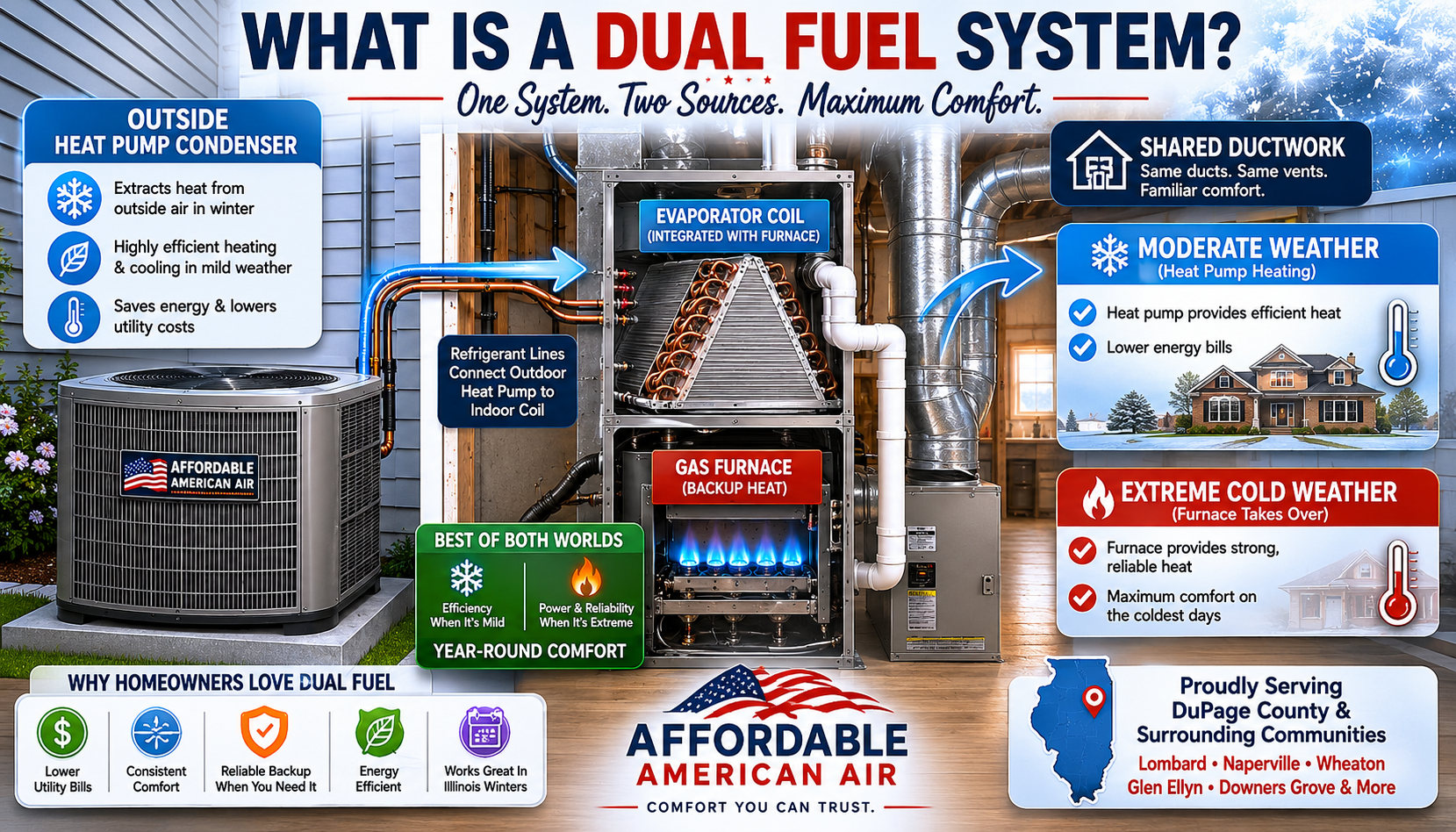
A dual fuel system combines:
- A high-efficiency heat pump
- A high-efficiency gas furnace
The heat pump handles heating during mild and moderate temperatures when it operates most efficiently.
When temperatures become extremely cold, the system automatically switches to the furnace.
The homeowner doesn't have to do anything.
The thermostat manages everything automatically.
Why We Like Dual Fuel Systems
After installing and servicing HVAC systems throughout DuPage County, dual fuel has become one of our favorite solutions for Illinois homes.
Maximum Efficiency
The heat pump handles the majority of annual heating hours.
Extreme Cold Protection
The furnace is available whenever temperatures plunge.
Lower Energy Costs
The system can take advantage of whichever heat source is most practical based on outdoor conditions.
Outstanding Comfort
Homeowners enjoy steady temperatures during mild weather and powerful heating during extreme cold.
Peace of Mind
No concerns about whether the system can keep up during a polar vortex.
Our Recommendation
While heat-pump-only systems are absolutely viable and continue improving every year, many Illinois homeowners ultimately choose dual fuel because it combines the best qualities of both technologies.
In our experience, it often represents the ideal balance of efficiency, comfort, reliability, and long-term flexibility.
What Is a Dual Fuel System?
Many Illinois homeowners assume they have to choose between a heat pump and a furnace.
The reality is that you can have both.
A dual fuel system combines a heat pump and a gas furnace into a single heating system that automatically switches between the two based on outdoor conditions. During milder weather, the heat pump provides highly efficient heating. When temperatures plunge during an Illinois cold snap or polar vortex, the furnace takes over to deliver powerful, reliable heat.
This approach gives homeowners the efficiency benefits of a heat pump without sacrificing comfort during extreme winter weather.
If you'd like a deeper dive into how dual fuel systems work, their benefits, and whether they're the right fit for your home, read our complete guide:
For many Illinois homeowners, a properly designed dual fuel system provides the best balance of efficiency, comfort, reliability, and peace of mind.
Frequently Asked Questions
Is a heat pump better than a furnace?
Not necessarily. Each system has advantages. The best choice depends on your home, utility costs, and comfort preferences.
Can a heat pump replace a furnace in Illinois?
Yes. Modern cold-climate heat pumps can successfully heat Illinois homes. However, many homeowners choose backup heat for additional peace of mind.
Do heat pumps stop working below zero?
No. Modern cold-climate heat pumps can continue operating below 0°F, although heating capacity gradually decreases as temperatures become more extreme.
Do I need backup heat with a heat pump?
In our opinion, having backup heat is a smart choice for Illinois homeowners. While many heat pumps can handle most winter conditions on their own, backup heat provides additional protection during extended periods of extreme cold.
What is the best HVAC system for Illinois?
For many homeowners, a properly designed dual fuel system offers the best combination of efficiency, comfort, and cold-weather performance.
Final Thoughts
Modern heat pumps have come a long way.
The idea that heat pumps don't work in Illinois is simply outdated.
Today's cold-climate heat pumps can provide efficient heating even when temperatures drop below zero.
That said, Illinois weather can be unpredictable.
While heat-pump-only systems are absolutely a viable option, we generally prefer incorporating backup heat for protection during prolonged periods of extreme cold.
For many homes, a dual fuel system delivers the best of both worlds.
You get the efficiency of a heat pump during most of the year and the confidence of a gas furnace when winter is at its worst.
That's why many of the systems we're recommending today are no longer heat pump or furnace.
They're both.
If you're considering a heating system replacement, the team at Affordable American Air can help you compare furnaces, heat pumps, and dual fuel systems to determine the best fit for your home, comfort goals, and budget.