The Real Halloween Scare: Carbon Monoxide & Furnace Safety
The Real Halloween Scare: Carbon Monoxide & Furnace Safety
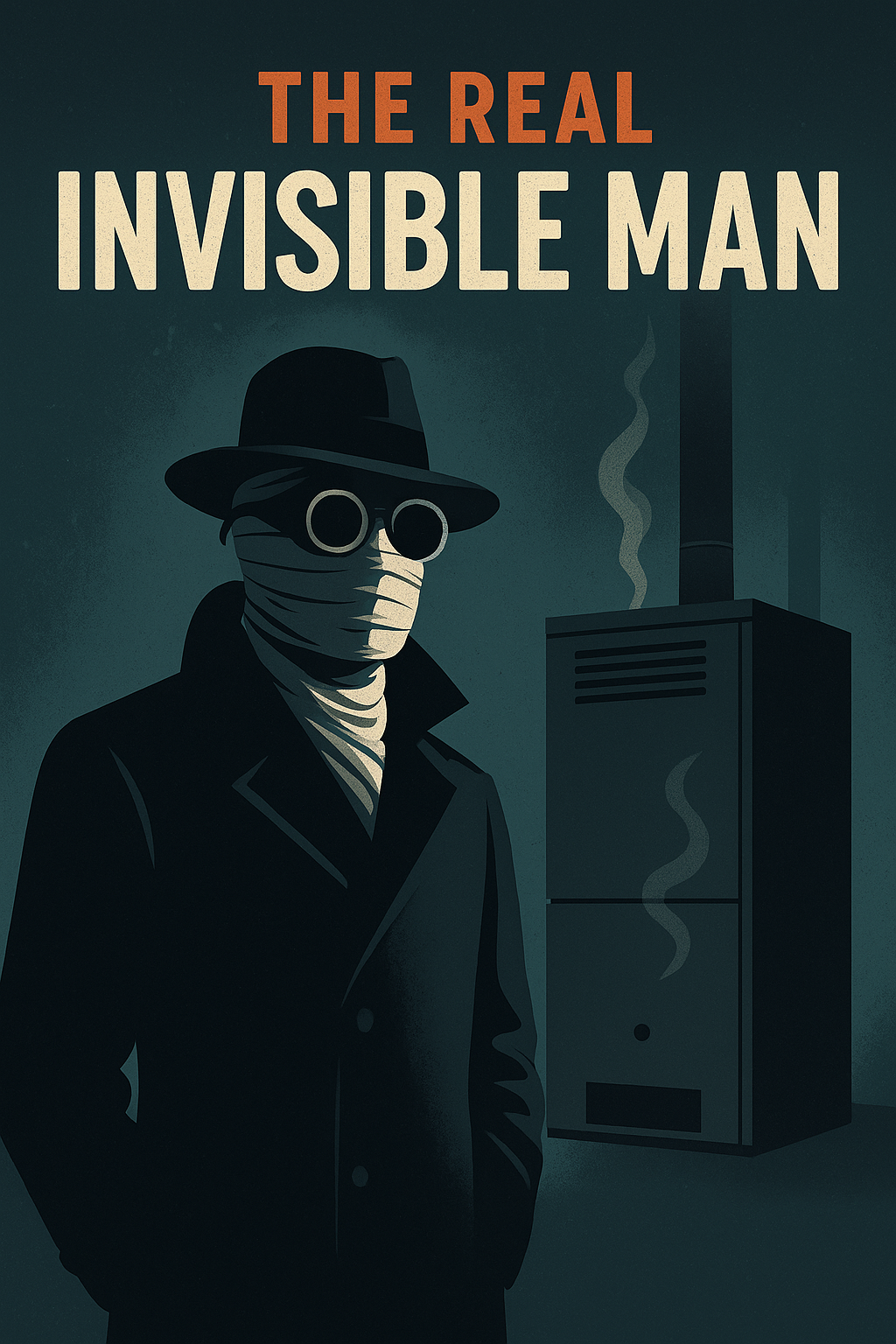
The Real Halloween Scare Isn’t the Costumes…
It’s the dangers you can’t see.
Halloween is supposed to be fun — costumes, candy, and spooky decorations. But inside too many homes, there’s a real danger lurking:
Carbon Monoxide — The Invisible Man.
You can’t smell it.
You can’t taste it.
You can’t see it.
And that’s what makes it deadly.
Why Carbon Monoxide is So Dangerous
When a furnace isn’t properly venting, harmful gases — including carbon monoxide — can leak into the air your family breathes. Common causes include:
• Vented exhaust piping installed incorrectly
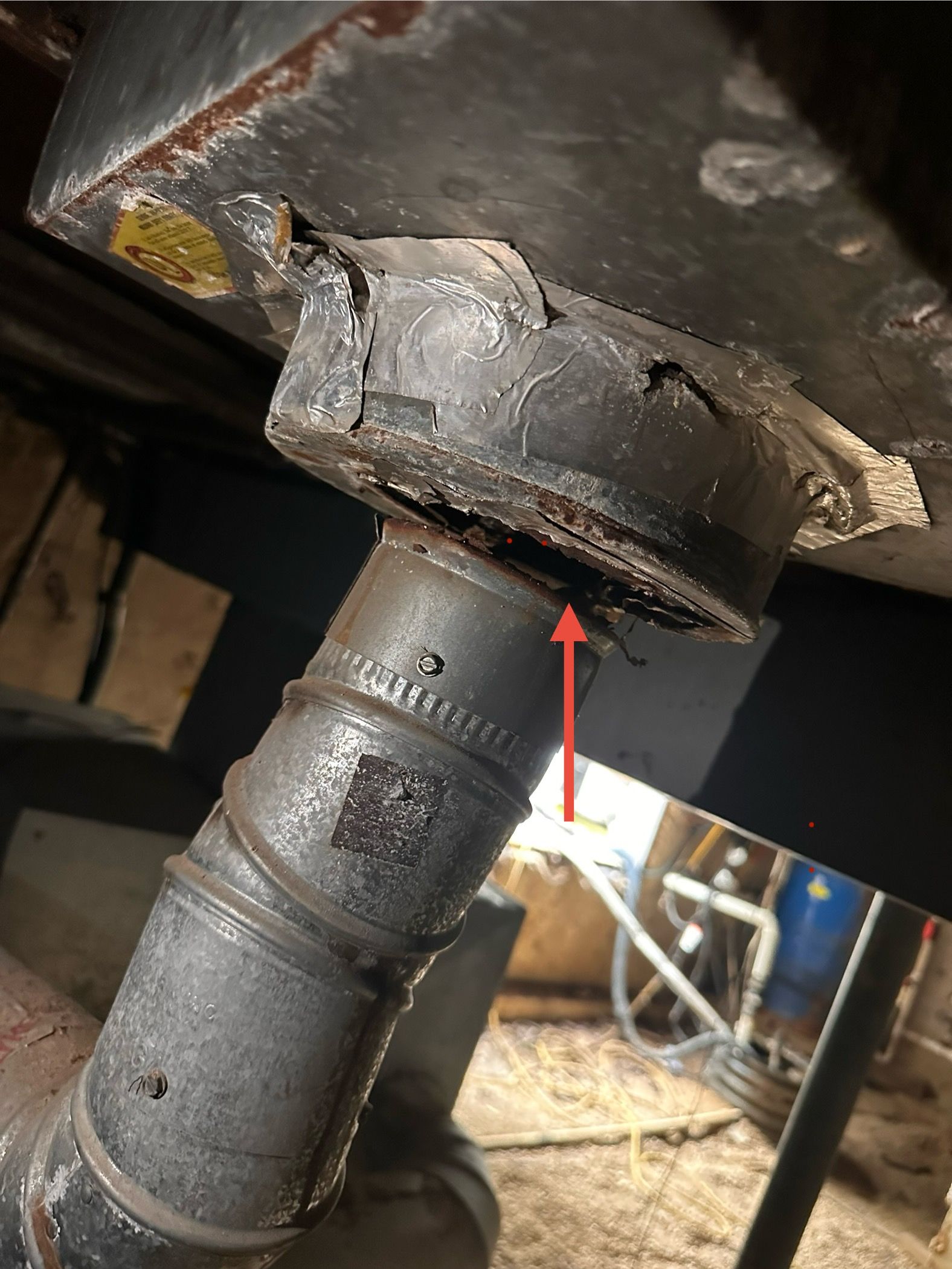
• Damaged or rusted flue connectors
• Cracked heat exchangers
• Poor airflow or blocked ventilation
• Lack of maintenance
Carbon monoxide can make people sick quickly — and even cause fatal outcomes if not detected early.
That’s why it’s SO important to have your furnace inspected before the cold weather hits.
Real Local Homeowner Case: A Carbon Monoxide Leak Found Just in Time
Here’s a recent 5-star Google review we received:
“After my furnace (installed just 2–3 years ago by another company) started shutting off after a few minutes, I called Affordable American Air. Scheduling was super easy, and communication was excellent. Dejan and Ivan arrived quickly, identified that the previous installer had used the wrong pipes (which caused rust, cracking, and even a carbon monoxide leak) and immediately made the repairs. They showed detailed before-and-after photos, explained everything clearly, and treated our home as if it were their own. The price was very reasonable, and their care and professionalism truly stood out. Thanks to them, our family is safe and ready for the cold temps. Highly recommend!”
— Maria W., Local Homeowner
That family had no idea they were breathing in poison — until they called us.
This is not something homeowners should gamble with.
How to Protect Your Family
Here’s what we recommend:
Install working carbon monoxide detectors on every level of your home
Change your furnace filter every 30–45 days
Schedule annual furnace safety inspections
Ensure your exhaust piping is properly sized and connected
Replace damaged or rusting flue pipes immediately
Cracked Heat Exchangers: A Silent Threat in Older Furnaces
As furnaces age, internal components face heat stress, corrosion, and metal fatigue. One of the most serious failures is a cracked heat exchanger — the protective barrier that keeps combustion gases (like carbon monoxide) separate from the air your family breathes.
When that barrier cracks, those gases can leak directly into the home.
No alarm. No smell. No warning.
Many homeowners are surprised to learn that certain high-efficiency furnaces manufactured before 2003 — especially some Carrier models — are known for heat exchanger delamination and premature cracking. Even standard 80% units over 15 years old become increasingly prone to cracks due to age and wear.
Common warning signs include:
• Furnace short cycling (turning on and off frequently)
• Yellow or inconsistent burner flames
• Rust or white residue around vent piping
• Soot or scorch marks near the furnace
• Strong exhaust smell or headaches while heat is running
• Excessive moisture in the home during heating operation
Even if a furnace appears to be heating properly… a cracked heat exchanger can make the air unsafe.
This is something homeowners should never ignore — especially heading into the cold months when furnaces run the hardest.
If something seems off — strange smells, furnace shutting on & off repeatedly, headaches, dizziness — call us right away.
Peace of mind is priceless.
Halloween Should Be Scary. Your Furnace Shouldn’t Be.
If you haven’t had your furnace checked this year, now is the time — before temperatures drop and your system runs nonstop.
1-630-HVAC-995
AffordableAmericanAir.net
Serving Lombard, Glen Ellyn, Wheaton & the surrounding DuPage County communities
Affordable American Air — Keeping the REAL scares out of your home.